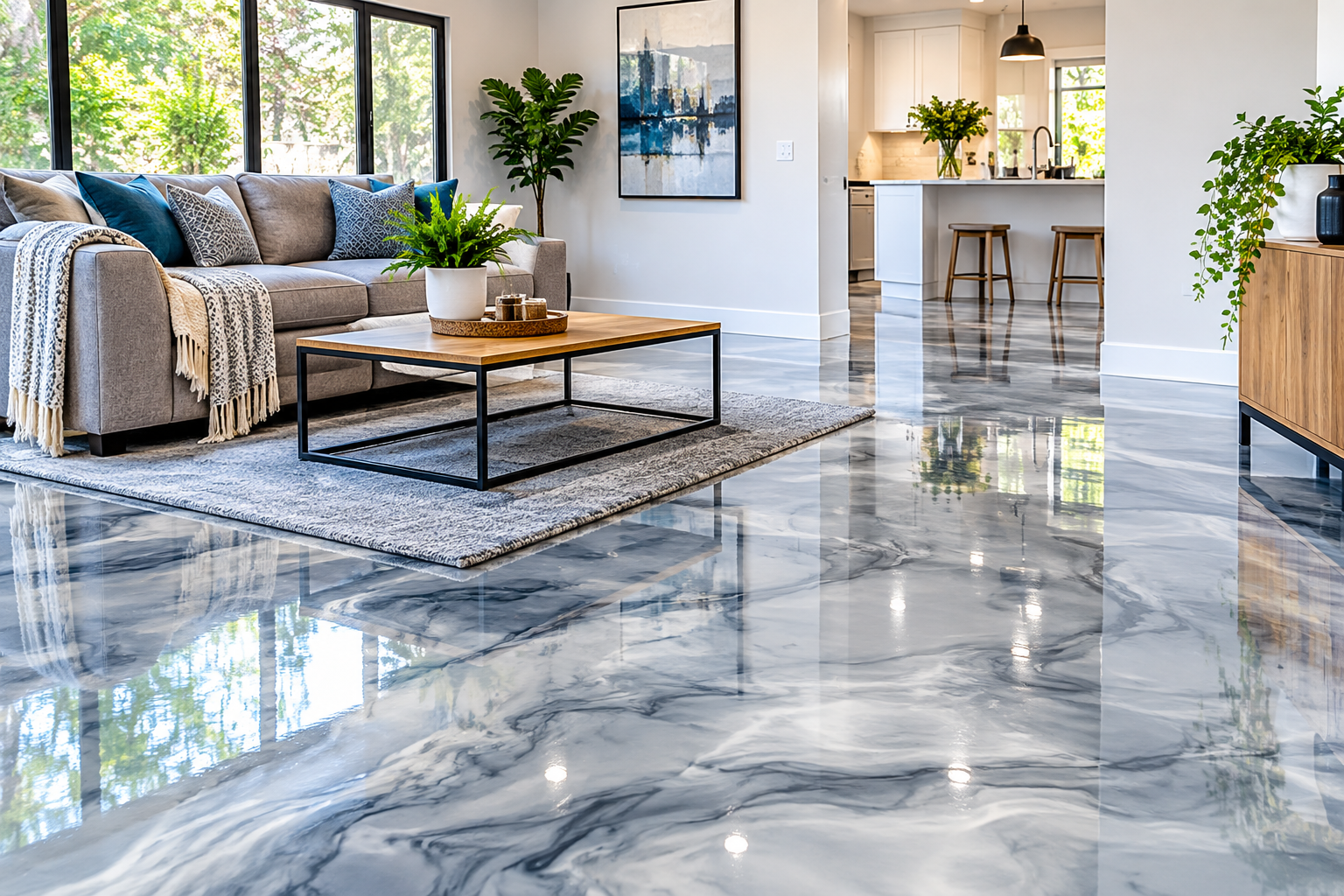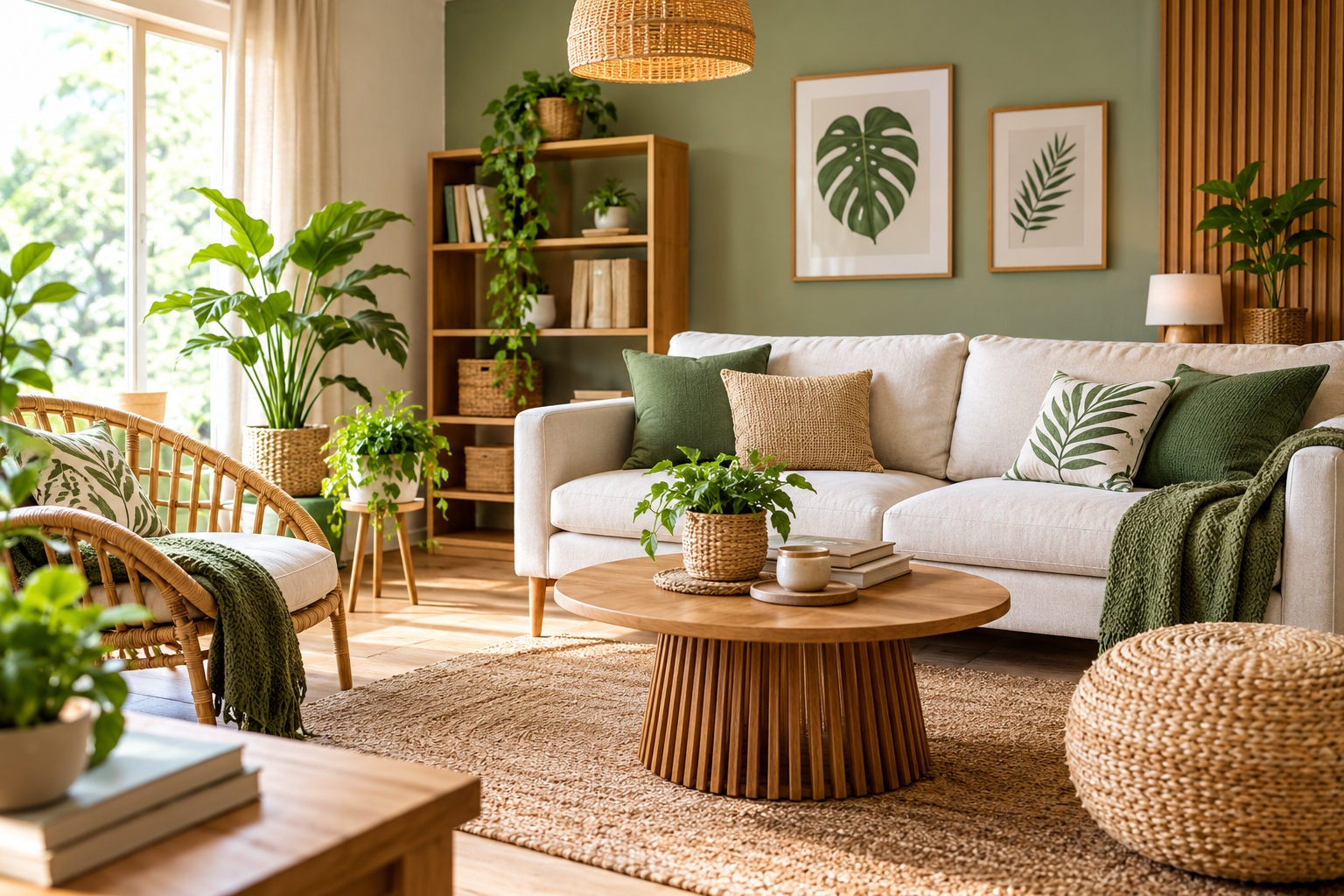
Home decor is one of the most essential things to consider when making your home comfortable, beautiful and personal. Whether it’s furniture, lighting, wall art, or decorative accessories, every design decision has an impact on the overall atmosphere of a house. Today, however, more and more modern homeowners are interested in appearance and are also taking the interior design of their homes into account in terms of the environment.
Sustainable home decor is a practical approach to style, comfort and eco-consciousness. The use of durable materials, furniture re-use and the incorporation of natural elements, will result in beautiful interiors without unnecessary waste.
Sustainable interior design still continues to inspire homeowners that seek to create spaces that are personal to them while also supporting more responsible consumption in 2026. From the creation of a new home to a room makeover, there are eco-friendly options that make a difference.
What is Sustainable Home Decor?
Sustainable home decor means the way that you decorate and furnish your home in an environmentally friendly way. Usually features recycled materials, responsibly sourced wood, energy-efficient lighting, natural textiles, and long-lasting furniture.
Responsible furniture and decoration suggests choosing with care and being inventive with repurposing, instead of buying new furniture and following stylistic trends that come and go.
The point is to make none of the things in your house environmentally perfect. Homeowners can, on the other hand, make better choices over time, while keeping in mind aesthetics, functionality, budget and sustainability.
How Can Natural Materials be Used to Enhance Interior Decoration?
Natural materials can also bring warmth, texture and character to interior spaces. Homeowners prefer to use wood, bamboo, cork, stone, cotton, or linen for a warm home.
From a wooden coffee table that makes for a focal point in a living room to linen curtains to give a room a soft, relaxed feel. Natural textures can also match other interior styles such as contemporary, minimalist, rustic, and Scandinavian-inspired styles.
Durability and sourcing are important factors to take into consideration when choosing natural materials. Sustainable sourcing of wood and longer-life products can help to make more sustainable decorating decisions.
Why is it a good idea to reuse furniture?
When a room is in need of a new look, it would be a waste to replace all the furniture. Utilizing already existing furniture to furnish a home is an easy and simple solution for rejuvenating an interior and to make the best use of available resources.
For example, an old wooden cabinet can be transformed into a chic storage space by giving it a new look. If you’re looking to add character to your space, but not the expense of buying a brand new dining table, a second hand dining table might be just the right solution.
There are a number of creative furniture reuse ideas homeowners can follow:
- Give an old dresser a fresh coat of paint using a different shade.
- Get rid of dated handles and use nice hardware to replace them.
- Use quality cloth for reupholstering chairs.
- Repurpose old wooden shelves for beautiful storage.
- Use old furniture in another space.
With these little tweaks, you can make ordinary objects into a beautiful addition to your home.
How does Sustainable Lighting Enhance Interior Design?
Lighting is key in the look and use of your house. A well-lit room feels larger, welcoming, and comfortable.
An energy-efficient choice is LED bulbs, which will typically consume less power than standard incandescent bulbs and have a longer lifespan. Homeowners can also make more of the natural light by placing furniture in front of windows and selecting the appropriate curtains.
Layered lights can be used to achieve a chic interior. Ambient lighting, task lighting, and accent lighting can be used together for various uses in different rooms.
A pendant fixture over a dining table can make a decorative centerpiece, for instance, or a desk lamp can offer concentrated lighting for work.
What Are the Benefits of Choosing Sustainable Textiles?
The interior’s ambiance is greatly enhanced by textiles. Fabrics such as curtains, cushions, rugs, bedding, and upholstery can add color, texture, and interest.
Sustainable textiles can range from organic cotton to linen, recycled materials, and those that are made in more responsible ways. The environmental footprint of a textile can vary a lot and is related to how it’s made, how long it lasts, how it’s cared for and used, and its end-of-life.
Textiles can be used to change up the look of a room without replacing large furniture items.
Consider these ideas:
- Invest in heavy drapes that will match the color scheme of the room.
- Use recycled or responsibly sourced fabrics to make cushions.
- Make clean-up more convenient with washable covers.
- Choose rugs appropriate for the purpose and use of a room.
- Use textiles that can be reused, rather than replaced.
Choosing high-quality fabrics can help you have a stylish room that is going to be appealing in the long run.
What Can Plants Do to Make the Home More Natural?
The use of indoor plants in decorative homes is a favorite for adding natural color and visual texture to the interior environment and is one of the best methods for sustainable home decoration.
A few strategically positioned plants can be used alongside wooden furniture, neutral walls and natural fabrics. Small plants are good for shelves and desks, larger plants for corners or open living areas.
When choosing plants for the home, consider the sunlight, the temperature inside the home and the amount of care that is required. Selecting the right plants makes it easier to take care of them, and to avoid replacing plants unnecessarily.
Use of ceramic, terracotta or recycled pots for decoration can also help to create a unique look within the interior.
What is the Useful Life of a Product?
Don’t think that it’s only possible with expensive products or a complete renovation to make your home as sustainable as possible. There are a lot of green decorating tips that emphasize the use of what you already have.
There are simple steps homeowners can take first, including furniture rearranging, repair, shopping secondhand, and the use of re-usable furniture accessories.
One of the most cost-effective strategies is to use:
- Purchasing used furniture from area second-hand shops.
- Refurnishing or refurbishing existing furniture.
- Making items for decoration from scrap.
- Re-using jars, baskets and containers for storage.
- Updating a room without replacing all the items.
When homeowners want to enhance their homes on the inside without overspending, these are some of the most effective ideas to put to the test.
What are the Popular Sustainable Home Decor Trends in 2026?
The focus of interior design today is on personal expression, natural textures, utility and decorating that could be effective in the long term.
Instead of following all the trends, it will be better if homeowners mix some of the new trends with something which will be useful for a long time and can be reused.
Some of the sustainable decorating ideas are:
- Earthy and soft neutrals: Muted greens are natural colours which can create a calm atmosphere.
- Storage benches: Versatile tables help maximize limited space by providing multifunctional furniture solutions.
- Vintage touches: Use secondhand furniture to give your home a personality and to cut down on the amount of new needs.
- Handmade accessories: Handmade pieces can add interesting textures or personal touches.
- Designs that stand the test of time: Classic furniture, simple decoration items can be useful for years.
The best choice is picking trends that will fit the home and personal taste and not changing the decor for every season.
Conclusion
Sustainable home decor can help the homeowner make more conscientious decorating choices to create a beautiful, comfortable and functional interior.
By purchasing some natural materials, repurposing furniture, picking energy-efficient lighting, and choosing sustainable textiles, homeowners can create a look that is both aesthetically pleasing and eco-friendly.
Making an eco-friendly home does not have to be sacrificing style to modernity. Building an eco-friendly home doesn’t have to mean sacrificing style to modernity in 2026. Sustainable home decor can make a difference in transforming mundane living spaces into chic, long-lasting homes with careful planning and creative ideas.