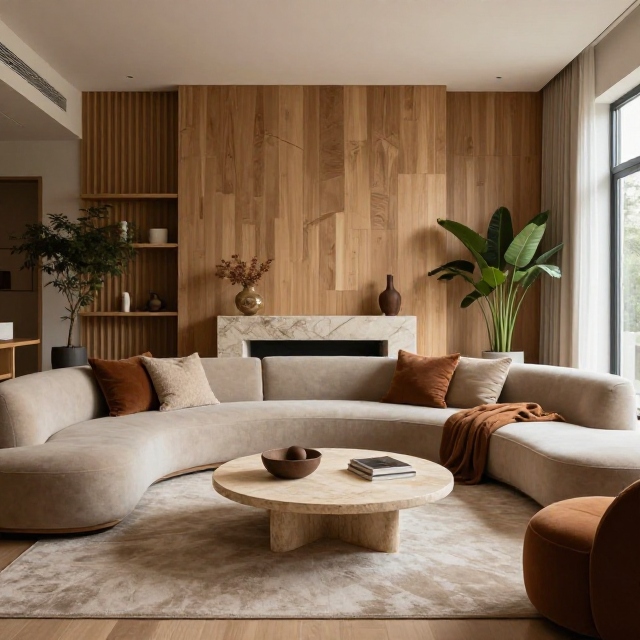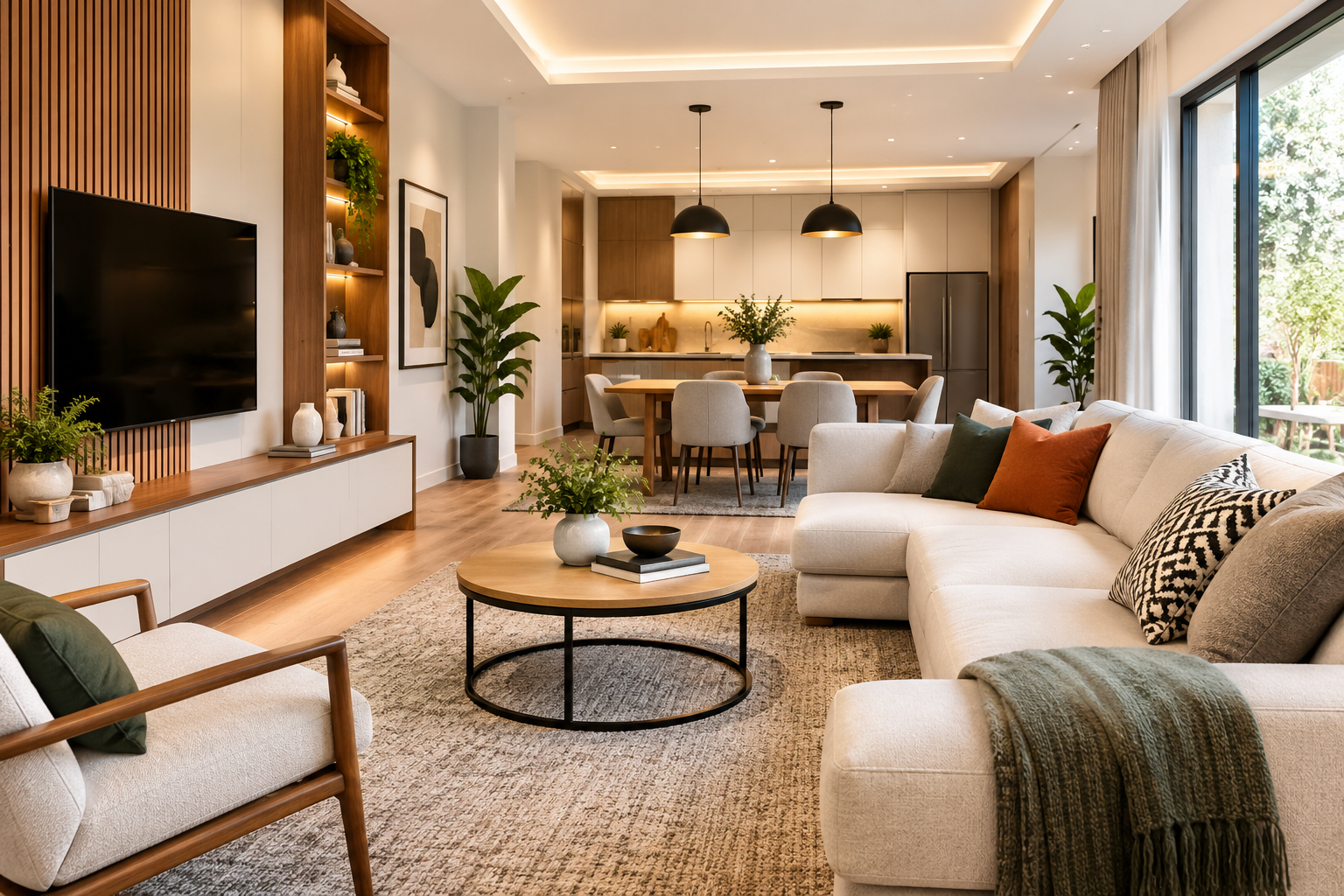
In modern interior design, every important factor is the creation of living spaces that are not only stylish and comfortable, but also functional. A well-designed home is a home that is both easy to live in and enjoyable to look at, and that is because it is designed with the individual’s taste and preferences in mind. How to select the right furniture, pick colour schemes, and tweak the lighting can all help turn a mundane room into a comfortable and functional space.
Homeowners are more interested in interior designs that are elegant and can complement contemporary living today. From large homes to smaller apartment dwellings, there are a variety of interior design tips and tricks that can be implemented to maximise space, organise items, and add balance to the room.
By learning about the key elements of contemporary interior design, you can make informed choices and create a space that reflects your tastes, requirements, and budget.
Understanding Modern Interior Design
Modern interior design is about using simplicity, straight lines, functional furnishings, and tasteful decor. Uses neutral tones, natural textures, open spaces, and practical storage solutions to achieve a clutter-free look.
Modern interiors are not as ornate with detailed decoration, but rather are focused on function. All elements must add to the look or function of the room.
But, modern design doesn’t involve making a cold or impersonal area. A contemporary home feels comfortable and inviting with warm lighting, textured fabrics, wooden finishes, indoor plants, and meaningful accessories.
The principle is to blend aesthetics with functionality.
Look for a Colour Scheme that Suits Your House
Colour is among the most important aspects of interior decoration. In a room, the right palette can make that room look bigger, brighter and warmer.
Neutrals like white, beige, cream and grey are favored for contemporary residences as they provide a flexible base. Can be combined with earthy shades, soft greens, navy blue, or subdued terracotta for a touch of personality.
A living room for instance, with light walls and wooden furniture can look warm and inviting. Cushions, artwork, or a decorative rug can add some colour while keeping the space from being overpowering.
Take into account the natural light, room size, furniture finishes and the atmosphere you are looking to improve when choosing colours. Having the same colour palette throughout rooms that are connected to each other can also contribute to the overall flow of your home.
Choose Furniture that’s both Stylish and Practical
Furniture is an essential part of decorating interior spaces, as it adds to their attractiveness and functionality. Today’s furniture styles are often clean, simple and modern.
Multifunctional furniture can be especially helpful for smaller homes. Storage beds, extendable dining tables, nesting tables and built-in storage sofas all help to maximise space.
Measure the room first and think about how the furniture will be moved around in the room. Too large furniture items can seem cluttered in a small room, whereas the right-sized furniture makes a small space feel more comfortable.
Quality should be taken into consideration as well. Materials that last, comfortable seating, and classic design can offer long-term value, minimizing frequent replacements.
Enhance Lighting for a Welcoming Space
The lighting in an interior can make a huge difference in terms of how the room looks and operates. Bright lighting makes a room easier to use and enjoy, and poorly designed lighting creates dark corners and can make a room unusable.
Three types of lighting are frequently used in modern interior design:
- Ambient lighting: Ceiling lights, recessed lighting or appropriate overhead lights for general lighting.
- Task lighting: Provides light at the task (desk lights, under cabinet lights) for reading, cooking, studying, working etc.
- Accent lighting: Enhances artwork, architectural elements, shelving, or decorative elements.
The same goes for natural light. Install appropriate window coverings to let light in, but keep out sights and glare.
Using more than one light source for different rooms at different times of the day can help create different moods and ambiances.
Use efficient interior design to maximise space
Space planning plays a crucial role in designing a comfortable home, particularly for apartments or in compact spaces. An organized room doesn’t need to be a costly renovation to look larger.
Firstly, list the primary function of each zone. Order furniture to provide for easy movement, avoid clutter and ensure easy access.
Floating shelf units, wall-mounted desks, built-in wardrobes and vertical storage systems can help free up valuable floor space. With a well-placed mirror, light can also be reflected, providing a sense of openness.
Living, dining and kitchen spaces may be combined. Lighting, rugs, furniture arrangements, and subtle colour variations can help create distinct areas without the need for overstated partitions.
The best layouts are a combination of openness and privacy, storage, and use of the space throughout the day.
Add Texture and Natural Materials
Stylish interior design requires more than beautiful colors and furnishings. Texture adds depth and helps to break up a blank, even look.
Contrasts can be made with materials like wood, stone, linen, cotton, glass, and metal. A modern living room can feel more rich and cozy with a textured couch, woven baskets, soft curtains and a wood coffee table.
Natural materials serve as a great way to add warmth to minimalist interiors. Coloured indoor plants can provide a splash of color and interest, and a natural wood finish can enhance a modern or traditional style of furniture.
Where materials are being used in combination, use balance. If there are too many different textures, it may make a room seem cluttered, so select a couple of finishes that will complement the design.
Personalise Your Home With Thoughtful Decorations
Help to make a well arranged room into a space for your personality with decorative elements. Interiors can be made more personal with artwork, family photos, books, handmade items, and important keepsakes.
Choose a handful of pieces that will fit in harmony with the colour scheme and proportions of the room rather than filling all of the available surfaces. You can create a focal point without adding too much clutter by using a large artwork above a sofa, a well-designed bookshelf, or a unique centrepiece.
Another quick and easy way to freshen up a room is to change its soft furnishings. A simple way to refresh an area without spending lots of money is to simply change the cushion covers, add a new rug or change the curtains.
Personalisation is effective when decorations enhance the design, but don’t clash with it.
Embrace Sustainable Interior Design
Sustainable interior design assists in making choices that take into account durability, resource usage, and environmental impact. It can also help to create a healthier and more efficient living environment.
Buy durable furniture, make repairs if possible, and think about used or responsibly-sourced furniture. Energy efficient lighting, good insulation and window treatments to control indoor temperature can also help to conserve energy.
Use low emission paints and finishes where possible and read product information closely. Natural materials may be helpful alternatives, but there are concerns regarding environmental effects based on the source, processing, transportation and durability of natural materials.
A sustainable approach doesn’t mean a wholesale change. Small changes can make a big difference and help to make a home more appealing, functional and eco-friendly.
Interior Design Ideas for Different Rooms
Each room will be used for a different purpose, therefore the design should take the purpose of the room into consideration.
- Living room: Use a mix of comfortable seating, layered lighting, functional storage and a cohesive colour scheme to design a warm, inviting social room.
- Bedroom: Use calming colours, comfortable bedding, appropriate bedside lighting and organised storage to facilitate relaxation.
- Kitchen: Ensure that work surfaces are efficient, cabinets are easy to reach and materials are durable and task lighting is available.
- Bathroom: Choose finishes that are resistant to moisture, have excellent ventilation and storage solutions and good lighting positioning for a clean and functional bathroom.
- Home office: Use an ergonomic chair, desk that’s right for you, task lighting and storage to organise essential supplies.
Design each room to meet its function and maintain a practical design.
Conclusion
A contemporary interior can make a house feel more beautiful, comfortable, organised and functional. Small design elements can make a big difference to everyday life in the home from complementary colours and appropriate furniture to lighting and storage, there is a lot to think about.
Your interior is the most successful those who use it reflect the needs and preferences of. Home design can be planned and decorated in ways that will ensure your home looks good and continues to be functional for many years to come.
When it comes to designing your interior space, whether you’re trying to update one room or redesign your whole home, a balance can be achieved that will help you create a stylish and comfortable, functional and personal living space.