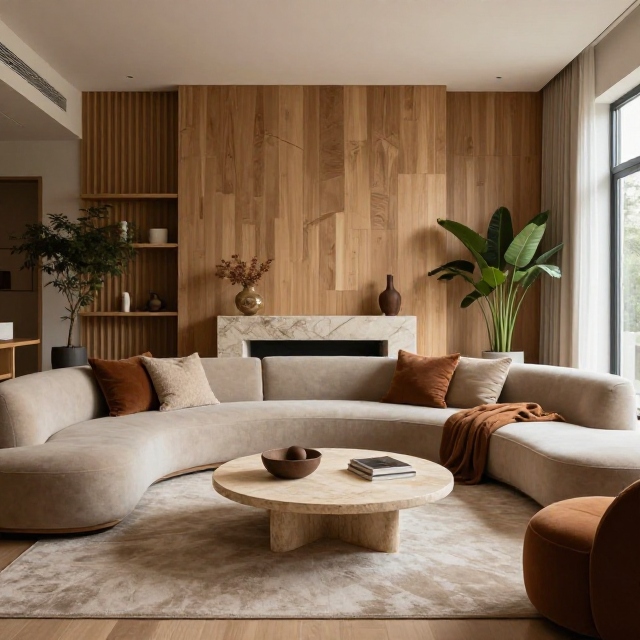
Modern interior design is still evolving, with clean lines, functional layouts, natural materials and comfortable living spaces. Homeowners are interested in interior spaces that are sophisticated but still functional for everyday use in 2026. Whether you’re going for neutral or bold colors, statement lighting, sustainable fabrics or multipurpose furniture, there are plenty of ways to make a great home with a contemporary design.
Correct design decisions can boost the look and utility of an apartment, home or a room in any of the above-listed situations. Knowing the updated interior design concepts will assist you in designing your space in a balanced way that will give you a personality while you don’t end up with an overstuffed home.
What is contemporary interior design?
Modern interior design is a design style that is shaped by the design taste, material usage, technology and life style of the present. In contrast to contemporary design, modern design is not linked with any specific period of history.
Typically, it includes basic architecture features, open spaces, well-chosen furniture and a blend of textiles. Rather than filling rooms with furnishings that are made to look decorative, designers opt for a select selection of items that add to the ambiance.
Popular characteristics include:
- Clean lines and uncluttered surfaces.
- Neutral hues with specific accent colours.
- Wood, stone and linen are natural materials used.
- Practical furniture with well-thought-out dimensions.
- Two levels of lighting and simple decorative elements.
The aim is to achieve a contemporary, inviting and practical interior space for a day-to-day environment.
1. Choose a Warm and Balanced Color Palette
Colour is among the simplest methods to create a modern feel. While white, grey and beige are still favorites, many homeowners are seeking warmer hues that create a welcoming atmosphere in their rooms.
The cream, warm white, taupe, soft brown, and muted earth colors are used in living rooms, bedrooms, and dining rooms. These shades are ideal for natural wood furniture, patterned fabrics, and subtle metal accents.
To add a little more character, add olive green, terracotta, deep blue, or muted burgundy with cushions, paintings, rugs and accent chairs.
The key colors to choose are one main neutral shade, one complementary shade and one accent shade. This provides a sense of uniformity and uniformity but will not make the whole home look alike.
When considering paint colours or wallpaper, see how natural and artificial light colours change during the day.
2. Use Natural Materials and Textures
Modern interiors can be made more inviting and compelling with the use of natural materials. There are subtle changes in wood, stone, linen, wool and ceramic finishes that help to avoid simple spaces.
A neutral living room, for instance, can be made to feel deeper with a coffee table that’s made from wood, a rug with a different texture, curtains made from linen, and ceramic accents.
Stone countertops and wood cabinetry can complement a simple kitchen design. Soft bedding and upholstered headboards can make a comfortable space in bedrooms.
It doesn’t have to be a costly material all throughout the house. However, when applied with care, veneers, responsibly sourced timber, durable laminate finishes and carefully chosen textile alternatives can provide the same visual impact.
It is better sometimes to mix textures than to add lots of color or other details.
3. Choose furniture that is both Comfortable and Stylish
In today’s interior design, furniture is a crucial element that can make or break the look and functionality of a space.
Search for furniture that has streamlined lines, sensible measurements and long-lasting finishes. Clean profiles, streamlined dining tables and storage units with understated handles can all combine to form a harmonious aesthetic.
Ease should continue to be a concern. The length of time a sofa lasts depends on its design. If it is a stylish sofa that doesn’t offer proper support, it might not be worth the investment.
Use multifunctional furniture, like storage ottomans, extendable dining tables, nesting tables, beds with built in drawers and others for smaller homes.
When buying big furniture pieces, size up your room first. Provide adequate walking space, opening space and cabinet clearance. An organized room can look more elegant than a room filled with high-quality furnishings.
4. Design an open and functional layout
A well-planned layout will make a home feel spacious, organized and easy to move around. Modern interior spaces tend to focus on the fluid flow from living space to dining space to kitchen space.
Furniture can create distinct areas without breaking up the open plan design in open plan homes. A sofa could separate the living room from the dining room, and a rug can create a comfortable seating area.
For privacy or noise control, look into sliding partitions, glass partitions or the placement of shelving.
Multifunctional rooms can be used in smaller homes. A spare bedroom could also serve as a home office, and the dining room could be a space for extra storage.
The best layout will depend on the lifestyle of the household, the size of each room, the natural light available and what will be happening in each room.
5. Use Statement Lighting to Enhance Interiors
The lighting can make a huge difference in the ambiance and usability of a space. Modern interiors are enhanced by using a mix of ambient lighting, task lighting and accent lighting.
Pendant lights can help to create a point of interest over a dining table, and floor lights can give a good amount of light around a reading chair. One or two under-cabinet lights will help to ensure good illumination in kitchens, while bedside lamps will provide practical lighting in bedrooms.
Here are some ideas for lighting:
- Provide general lighting by ceiling lights.
- Provide task lighting when reading, cooking or working is done.
- Highlight artwork or architectural features with accent lighting.
- Use warm lights in relaxation areas.
- Install dimmers if possible, to control light levels.
If possible, provide as much natural light as possible, using window treatments and an uncluttered window area. Mirrors can also utilise the available light, but only needs to be used with care or it may create an unwanted glare.
6. Add Greenery and Sustainable Design Features
Many homeowners are taking sustainability into account. Taking care of furniture, repairing, and buying furniture from responsibly sourced materials can minimize unnecessary replacement and waste.
Another option for indoor plants is to add some natural color and texture. Homeowners may select from pothos, snake plants, or other appropriate houseplants depending on the available light and maintenance needs.
Other factors that contribute to sustainable design include the use of better insulation, energy-efficient lighting, and energy-efficient flooring materials.
When purchasing new furniture, think about the quality of the built and if it has the ability to be repaired, the materials used, and the lifespan of the furniture.
A sustainable modern house doesn’t have to adhere to one specific design. Focus is on designing appealing spaces, carefully utilizing resources and promoting livability over time.
7. Personalize Walls With Art and Decorative Details
Simple doesn’t mean impersonal for contemporary interior decor. Artwork, photographs, sculptural accessories and carefully chosen decorative objects add personality.
If there’s a large art piece above a sofa, it can serve as a focal point, and if there is a small art gallery wall, it can add interest to a hallway or bedroom. Select furniture that matches but does not duplicate all the other accessories in the room.
And decorative mirrors, textured vases, handmade ceramics and well-arranged books can also bring some character.
Don’t clutter shelves or tabletops. Some blank walls create contrast for the other elements and give the impression of cleanliness that is characteristic of modern interior design.
Contemporary room authenticity can be achieved with personal items that have meaning, such as travel photographs or inherited decorative items.
8. Upgrade Kitchens and Bathrooms With Simple Finishes
Kitchens and bathrooms can be designed in a modern style due to the fact that these areas need to be both functional and appealing with adequate storage space.
Handleless cabinets, organized drawers, high-quality counter tops and matching hardware can offer a streamlined look in the kitchen. Using open shelving will make everyday items look nice and neat, but use it carefully so it won’t get cluttered.
Large format tiles, plain mirrors, concealed storage, and the proper lighting throughout bathrooms can provide a clean and comfortable environment.
Neutral colours offer versatility whereas a few contrasting materials can add variety.
Before remodeling, take waterproofing, fresh air, cleanability and maintenance into account. Practical materials are particularly essential in wet, warm and high frequency use areas.
Conclusion
The most modern ideas in interior design for 2026 feature a blend of comfort, usability, and a personal touch, all harmoniously integrated with a sense of visual simplicity. A warm color palette, natural materials, flexible furnishings, multi-level lighting and strategic design can all contribute to the creation of beautiful rooms.
You don’t have to have a modern style interior in every room or even furnish with fancy items to get a modern look! There are many ways to make small changes, such as lighting, furniture, natural materials, or art, that can make a big difference.


