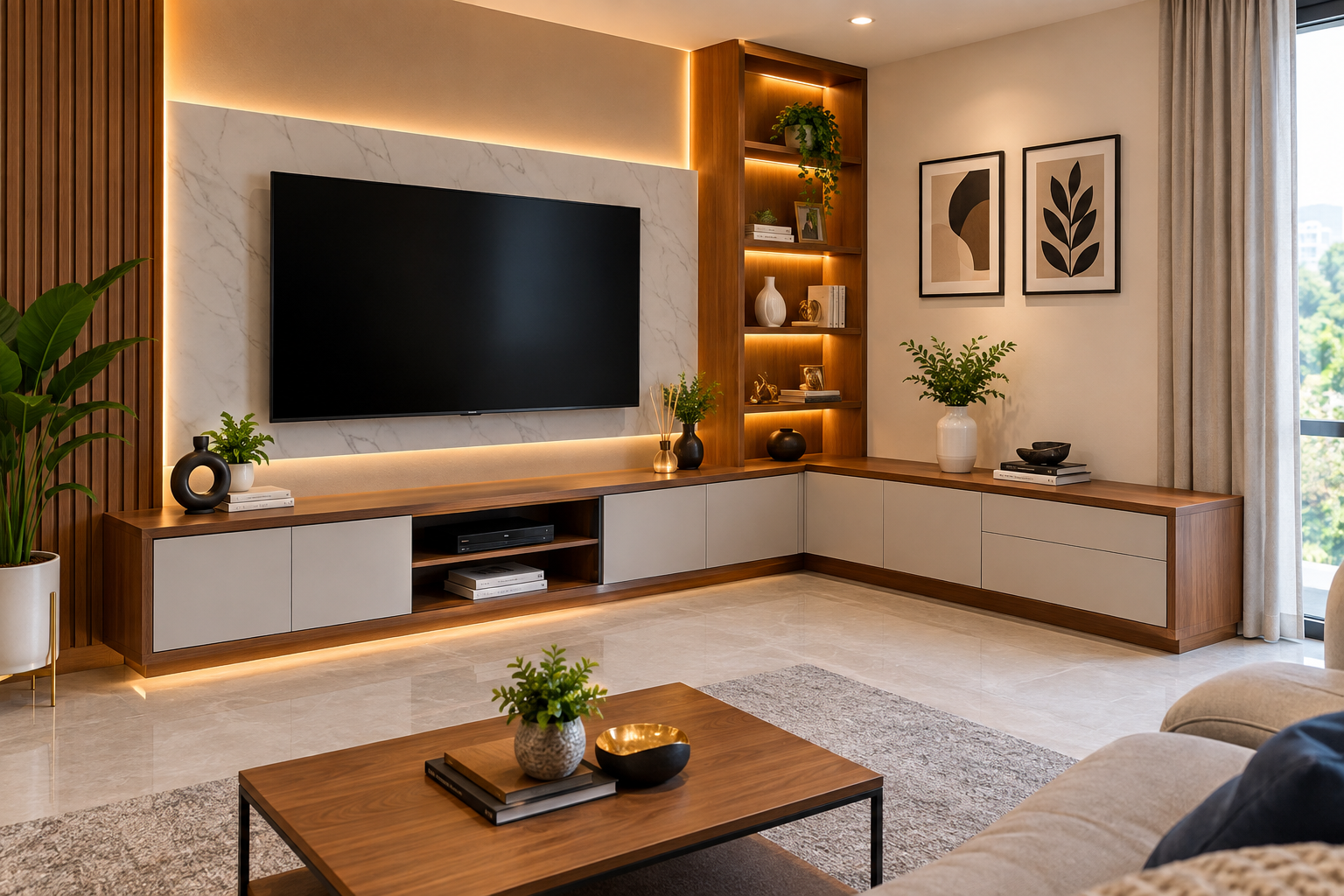
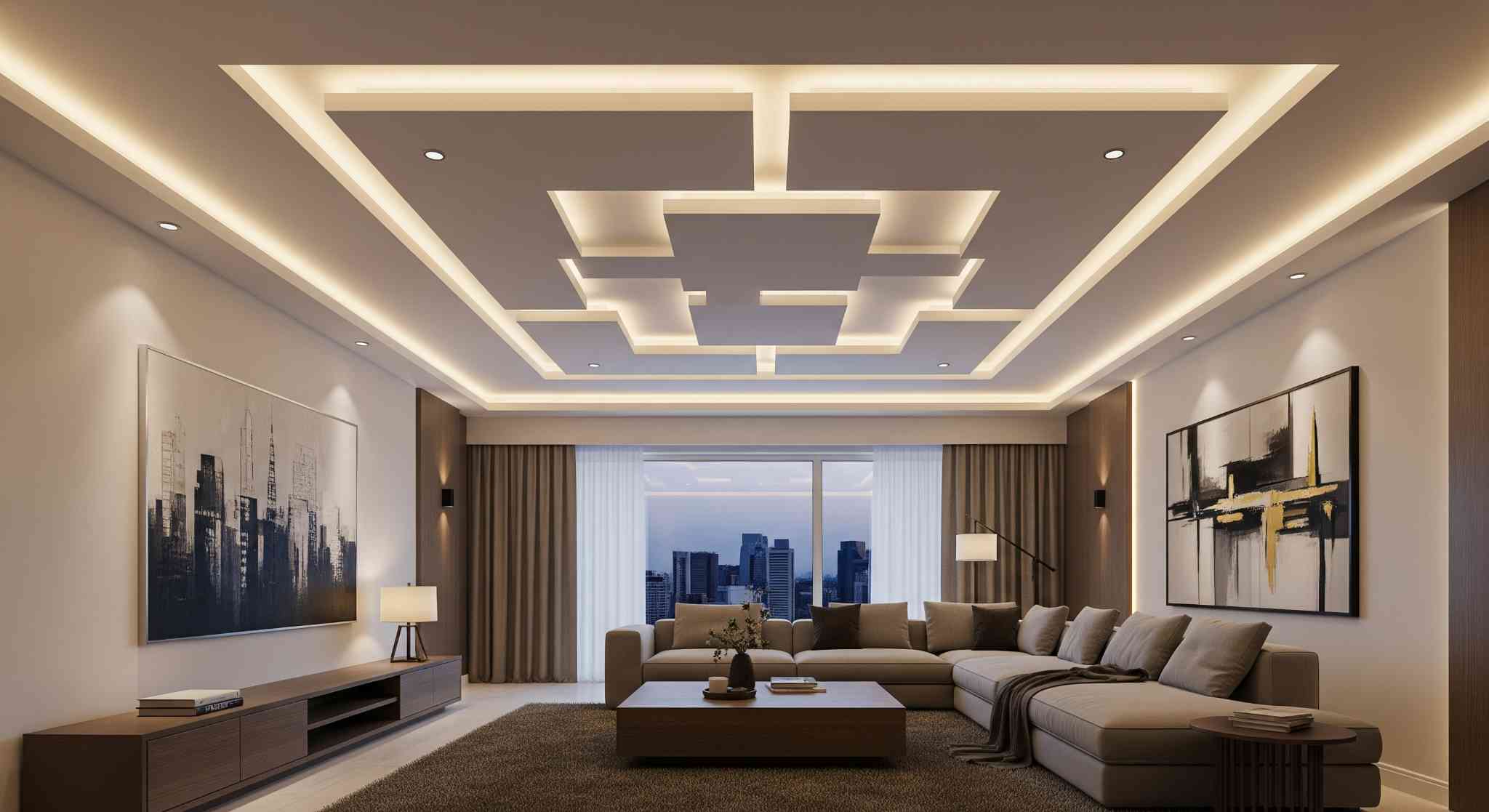
One of the foremost overlooked parts of interior design is the ceiling, but it can make a big difference in the overall look and ambiance of a home. Often, walls, furniture, flooring and decorative details are the elements to focus on, but a well-designed ceiling can transform a room. An elegant modern ceiling can add elegance, depth, lighting effects, texture and architectural character without the need to sacrifice precious floor space.
In modern times, there are many different ceiling designs, materials, colors and lighting options available to homeowners. There are various types of ceilings, ranging from basic to elaborate, including a variety of false ceilings and those fitted with lighting. The correct design will make a room appear larger, warmer, brighter, more luxurious, or more contemporary.
Why Are Ceiling Designs Important in Modern Homes?
The ceiling is the top surface of a room, and its design can have a significant impact on the overall aesthetic of the space. The ceiling designs may have a simple appearance with a plain surface, or it may be designed to create a decorative focus.
Open designs and little decoration are features of modern homes. These areas allow for the ceiling designs to be used to add interest to the room without it feeling crowded. A room’s character can be defined by architectural features, recessed lighting, wood accents, geometric forms and various textures.
An attractive ceiling may complement other furniture and wall treatments. The interior can be more unified and well-designed when all of the elements of the interior ceiling designs, lighting, floor, and furnishings – work together.
How Can False Ceilings Bring Elegance?
Decorative and functional, false ceilings are one of the most common ceilings for modern interior design. They can be formed from gypsum board, plasterboard, wood, metal or any other appropriate ceiling system.
A false ceiling design can conceal structural components like electrical wiring, ducts, pipes, and other elements, and provide a smooth, finished look. It also offers room for recessed lights, LED strips, spotlights and other lights.
A simple geometric false ceiling designs is especially well suited to modern houses. Layered designs can add depth and dimension, while straight lines and clean edges can add to a sophisticated look.
The design should be proportionate to the space and the room’s dimension, however. In a small room, a very ornate false ceiling could create the illusion of a cramped room with a low ceiling.
How Lighting Can Change Ceiling Designs?
One of the most effective methods of improving a ceiling is by using lighting. Even with relatively simple ceiling designs, the careful placement of lighting can create a classy ambiance.
Recessed lights can offer clear and inconspicuous lighting. LED strips can be mounted around the edges of the ceiling designs or in recessed areas to provide a diffused light. Pendant lights or chandeliers can be dramatic features in the living room, dining room and entrance spaces.
Layered Lighting is especially effective, since it uses general, accent and decorative lighting. This way, homeowners can set various moods for different occasions.
Bright neutral lighting could be appropriate for work spaces and kitchens, and warm lighting can make a room comfortable and inviting. Additionally, lighting needs to be used to accentuate architectural elements rather than just filling the space with as many lights as possible.
Can Wooden Ceiling Elements Make a Warm Environment?
For those seeking to add warmth and natural beauty to contemporary interiors, wood is an outstanding choice. Wooden panels, beams, slats and decorative panels can provide a stylish contrast to all-white walls and modern furniture. You don’t need to put wooden ceiling designs all over the ceiling. Small sections of wood can be used to add a sense to the design in a false ceiling. In contemporary living rooms and dining rooms, wooden slat ceilings are a great choice.
They can also introduce a sense of texture through their linear patterns without sacrificing the clean design. Care should be taken in the choice of the type and finish of the wood. Lighter hues can give a room a sunny, pleasant vibe, whereas darker options can lend a dramatic and luxurious feel.
What is the Best Use of Geometric Patterns in a Modern Ceiling?
In modern homes, geometric ceiling designs can add some structure and interest. Various shapes such as squares, rectangles, circles, lines, and layered forms can be used to create unique architectural patterns. A geometric ceiling is not a complicated ceiling. Just a couple cleverly placed recessed sections can make for an elegant appearance.
A recessed rectangular space over a dining table, for instance, can create an open plan feeling in an open house, creating a visual space between the dining area and the rest of the house. Circular ceiling details can complement a chandelier or pendant light, in a similar manner. The key is balance. Busy, decorated ceiling designs can appear too crowded; however, a well-designed pattern can give a modern and elegant look to the ceiling.
What Effect Do Ceiling Colors Have on a Room?
Colour is a key consideration in ceiling design. White is still a popular color choice, as it reflects light and can help open up spaces. But today, the interior has been increasingly designed with subtle hues and with a different finish of the ceiling. Smooth away colors, mutes and neutrals like beige and grey can give a sophisticated feel.
In large spaces, a darker ceiling design can be a great accent on the space for drama, though it should be used sparingly. Dark colors might also make the ceiling appear lower, and are therefore best used in rooms that have adequate ceiling heights. Homeowners can choose a shade that matches the walls and furnishings, but is not the same color, for a more balanced appearance.
How Can Minimalist Ceiling Designs Improve Modern Interiors?
Minimalism has a significant impact on modern house designs. Minimalist ceiling designs prioritize simplicity, clean lines, and functionality over elaborate decoration. There is a possibility of a very elegant smooth ceiling design, in which the recessed lighting has been placed in the right spots. You can add visual interest by using simple borders, narrow LED strips or just a single decorative element.
Minimalistic designs will be best suited in apartments and smaller homes as they do not add to the limited space. This is the beauty of minimalism because other elements of the interior then become the centre of attention, whether it be the furniture, artwork, or floors, while the ceiling remains in the background to complement the interior.
What Ceiling Designs are Best for Living Rooms?
The living room is another popular social area of the home, and it’s a great choice to create an attractive ceiling design. A false ceiling that has layers and is lit with recessed lighting can give a sophisticated look without taking over the room.
A central decorative feature can also be included over a seating area. For instance, a rectangular or circular section of the ceiling designs can be used to encase a chandelier or pendant lighting fixture. For larger living rooms, using multiple ceiling heights can help to visually split up the room. This is particularly helpful in an open plan arrangement where the living room is directly connected to a dining room or kitchen. The design should be in harmony with the furniture arrangement and overall architectural style.
What Ways Can Ceiling Designs Enhance Room Interiors?
Bedrooms enjoy peaceful and relaxing layouts. A complicated ceiling design may not be suitable – the room should be relaxing. Warm lighting, light LED strips, wood or plain layered lighting can make it a welcoming place. Indirect lighting is especially helpful since it creates a soothing light instead of intense direct light. Simple patterns and neutral colors can help to create a serene bedroom atmosphere. The ceiling design should also be paired with the bed, headboard, curtains and other primary visual focal points that a homeowner would have in the room.
What Can Ceiling Designs Do For Making Small Rooms Look Bigger?
Proper ceiling design can make it seem like there’s more room. A light color palette, minimal patterns, and proper placement of light sources can help to make a room feel more open. A recessed lighting fixture can minimize visual clutter since the fixture is built into the ceiling. Vertical elements can also affect the eye’s perception of proportions in the room.
But, it is not advisable to have very low false ceiling designs in small rooms! If there is limited ceiling space, a simpler design that’s less layered might be more appropriate. The use of mirrored or shiny surfaces can sometimes enhance the sense of openness, but should be used sparingly to prevent over-decorative effects.
What Materials are Commonly Used for Modern Ceiling Designs?
There are some options available when it comes to building modern ceiling design, depending on the design and the structure. Gypsum is commonly used due to its versatility and can be formed into different shapes. Plaster can give a traditional and smooth finish, wood can give it a natural warm touch. Consider using metal panels for industrial or modern interior design, or decorative ceiling tiles to create texture and pattern. The choice of material should depend on its durability, maintenance needs, moisture exposure, ease of installation, and cost. Bathrooms and kitchens might need materials that are more capable of functioning in more humid environments.
What are the Factors to Consider when Selecting a Ceiling Design?
The first step toward selecting a ceiling design is to get to know the room. Think about the size, height, lighting, furnishings, architecture, and function. A design that makes a great impact in a spacious villa might not be effective in a small apartment. Likewise, a dramatic ceiling in a formal living room would not be the best choice for a minimalist bedroom.
Another factor to consider is budget. The things to consider for homeowners include materials, manpower, electrical, lighting fixtures, maintenance, and possible structural changes. Functionality is also a good consideration to make. A beautiful ceiling design should not sacrifice the comfort of sufficient lighting, access to ventilation, access to maintenance, or durability.
How can Ceiling Designs Add to the Value of a Home?
A well-designed interior can help to enhance the aesthetic of a home, and make the surroundings more refined. One way to achieve this effect is to use an elegant ceiling, which can make rooms look well designed and professionally done. Although a ceiling design in itself does not add value to a property, a combination of quality materials, workmanship, and effective lighting and interior planning make a house more appealing to the occupants and to any future buyers. Sustaining designs are more often than not better suited to be a safer choice than unusual trends. A balanced ceiling will still look great regardless of the furniture or decorating trends.
Frequently Asked Questions?
Can False Ceilings be Used in all Rooms?
Although there are some rooms that may benefit from false ceiling designs, the design must be customized to the size, height, use and environmental conditions of the room. The less complex the design, the better it will work in a small area.
What is the Best Ceiling Design for the Modern Living Room?
For contemporary living rooms, materials such as layered faux ceilings, recessed lighting, geometric accents, and a mix of wood and neutral hues are favored.
Do Ceiling Designs Give the Illusion of a Larger Room?
The use of light colours, clean lines, integrated lighting and suitable proportions can give the impression of a larger room.
So, is LED Lighting Good for Modern Ceilings?
The use of LED lighting is widespread, as it can offer efficient lighting and can be integrated into recessed spaces, ceiling designs edges, panels, and decorative elements.
Can Wooden Ceilings be Used for Modern Homes?
Wooden panels, beams and slats can be used to add warmth and texture and to coordinate with modern furniture and architecture.
Conclusion
Ceilings are a great place to incorporate design and texture to a modern home interior to create depth, character, light and architectural sophistication. It can make a difference in the ambiance of a room, whether you opt for a simple ceiling, a multi-layered false ceiling, wood accents, geometric designs, or an impressive lighting display.
The best ceiling designs are the ones that are both functional and aesthetically pleasing. By taking into account the dimensions of a room, the ceiling height, the lighting, the materials, the color, the maintenance, and the interior decoration, homeowners can make their ceilings a beautiful addition to their home without overpowering the space. A well-planned ceiling can be a crucial element of the home’s aesthetics rather than just a decorative touch.