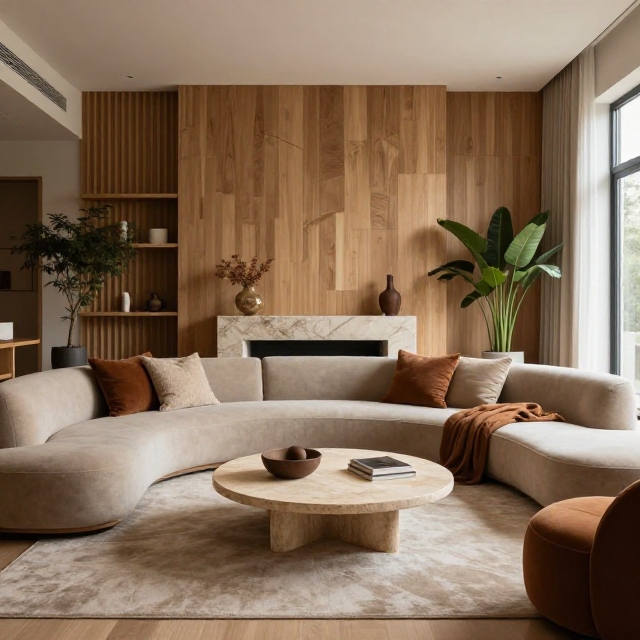
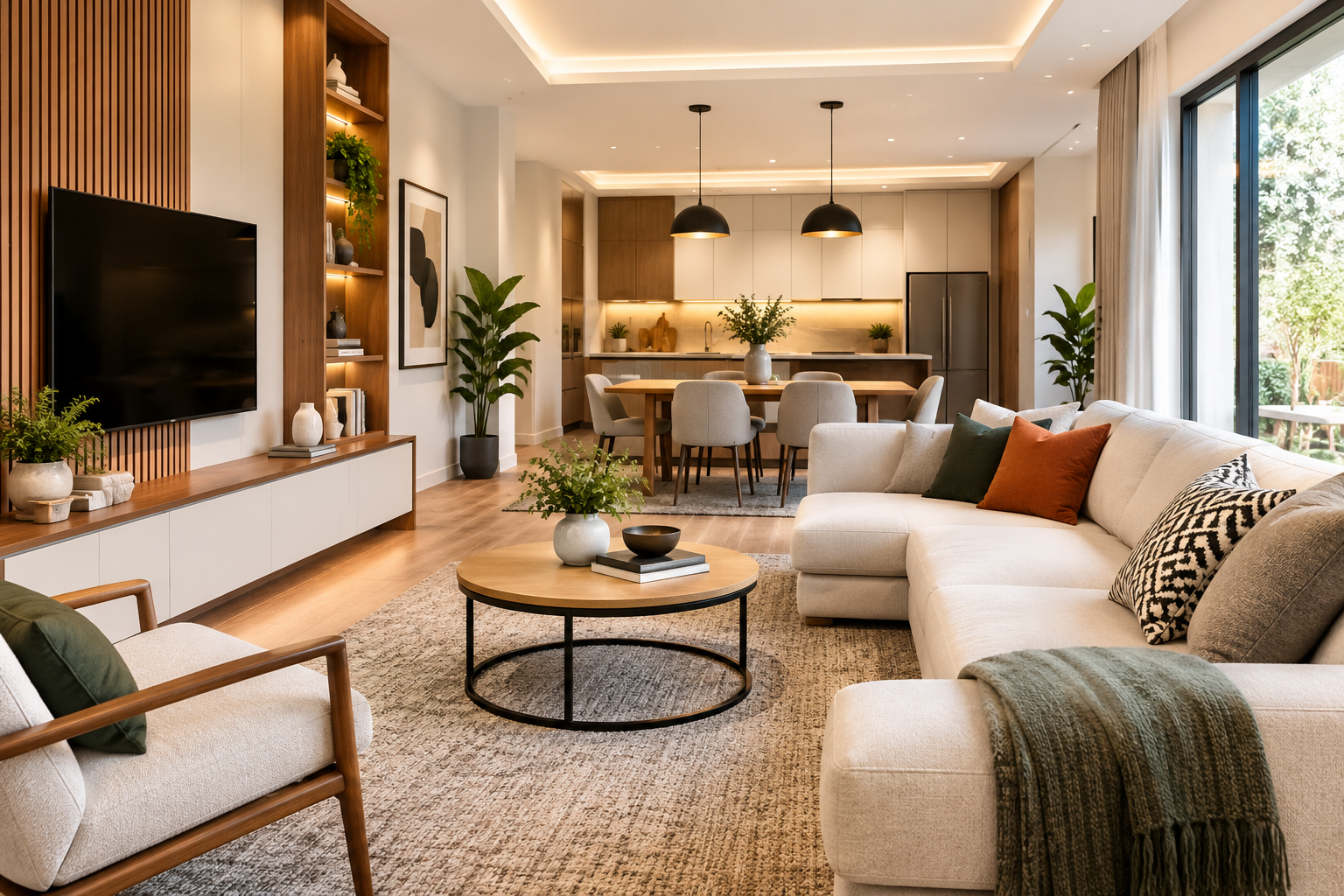
One of the most recent home design trends is sustainable interior design. With the growing awareness of environmental concerns among homeowners, they are seeking to design beautiful, comfortable, and environmentally friendly homes. Sustainable interior design is about minimizing the environmental footprint, maximizing the functionality, health and efficiency of your home. It entails adopting eco-friendly materials, energy-efficient systems and sustainable design concepts that help to reduce waste.
Sustainability in interior design can be a part of the solution whether you are renovating your whole home or small upgrades, you can make a healthier environment while reducing your energy bills and boosting your home’s property value. By 2026, eco-friendly design is no longer a passing fad: it’s a smart way for homeowners everywhere to live.
What is Sustainable Interior Design?
Sustainable interior design involves creating interior environments with use of sustainable materials, energy-saving appliances and technologies, and environmentally responsible construction methods. The aim is to minimize waste, save the natural resources and provide interior spaces that are elegant and durable.
Sustainable interiors focus on long-lasting materials, recycled materials, renewable materials, and improve the indoor air quality, compared with traditional design. Focusing on making decisions that can be beneficial to people and to the environment.
Why is Sustainable Interior Design Gaining Popularity?
There are various reasons which have made sustainable interior design popular.
Climate change and environmental conservation have become a significant concern to the homeowners. An increase in the price of energy causes investments in energy efficient light, insulation and lighting. Moreover, today’s “green” materials are just as beautiful and durable as traditional materials, making it easier than ever to be environmentally conscious.
Sustainable upgrades are also a great long-term investment for many buyers because they appreciate the sustainable features of homes.
What are the Benefits of Sustainable Interior Design Trends?
Helps to make an indoor space healthier
An excellent benefit of sustainable design is the improvement in indoor air quality. Traditional paints, adhesives, carpets and furniture can emit Volatile Organic Compounds (VOCs), that can impact respiratory health.
Low VOC paints, natural wood furniture, organic fabrics, and non-toxic finishes minimize indoor pollution and promote a healthier home for families.
Reduces Energy Consumption
When it comes to interior design, energy efficiency is a key aspect of sustainability.
LED lights, smart thermostats, energy-efficient windows and Energy Star appliances help to lower electricity usage. Good insulation and natural ventilation keeps interiors of the building warm in winter and cool in summer.
These upgrades not only help save utility costs every month, but also help to cut down on the carbon footprint in your home.
Produces better use of natural light
Modern sustainable interiors make the best use of daylight through the use of larger windows, skylights, glass partitions and open layouts.
There are a number of advantages to using natural light:
- Reduces electricity usage
- Exercises good judgment and care
- Has a positive impact on space perception
- Enhances overall aesthetics
Natural light can make a home feel warmer, brighter and cozier.
Uses Eco-Friendly Materials
Choosing environmentally friendly materials is one of the characteristics of sustainable interiors.
Some of the more popular sustainable materials are:
- Bamboo flooring
- Cork flooring
- Reclaimed wood
- Recycled metal
- Recycled glass countertops
- Organic cotton fabrics
- Linen upholstery
- Natural stone
- Recycled tiles
They are less resource intensive than traditional materials and can be more durable.
Why Furniture Selection is Important?
The furniture is a key component of sustainable interior design.
Homeowners are opting for quality, long-lasting furniture that is sourced from sustainable wood or recycled materials rather than frequently changing out furniture.
The popularity of vintage and refurbished furniture has also grown as it helps to minimize landfill waste while imbuing character and uniqueness into interior spaces.
The use of multi-functional furniture, for example storage beds and extendable tables, also reduces material usage.
What are Some Ways in Which Sustainable Design Minimizes Waste?
One of the primary rules of eco-friendly interior design is to minimize waste.
Now the designers are concerned with:
- Repurposing existing furniture
- Recycling construction materials
- Choosing timeless designs
- Avoiding disposable décor
- Purchasing durable products
- Supporting local artisans
Everyone knows that a sustainable interior design should not be based on the newest fads and fleeting trends, but on quality rather than quantity.
Is it possible to Enhance Home Comfort Through Sustainable Design?
Sustainable houses offer more comfort via superior insulation, improved air flow, natural materials, and energy-efficient heating and cooling.
Wood, cotton, wool and linen are natural that are good for moisture control compared with synthetic fabrics. Improved ventilation also decreases moisture accumulation, which can help prevent mold growth.
The outcome is a house that is healthier and more comfortable all year long.
Popular Sustainable Interior Design Trends in 2026
There are still some eco-friendly trends that remain a staple in today’s homes.
Biophilic Design
Biophilic design integrates nature into the interior world via water features, large windows, natural textures and indoor plants.
Natural Color Palettes
Beige, olive green, terracotta, sand, sage green, warm gray are earthy shades that are great for calming natural-inspired interiors.
Recycled Décor
Wood, glass and metal are also being turned into decorative accessories, in place of manufactured alternatives.
Smart Home Technology
Smart lighting, automated blinds, energy monitoring and programmable thermostats enhance convenience and minimise energy waste.
Minimalist Living
Minimalism means that people in the home buy less, but better, and that it brings a sense of fewer possessions and more lasting value.
So, what are the Financial Advantages of Sustainable Interior Design?
Some eco-friendly products may have a higher upfront price, but can save money in the long run.
Benefits include:
- Lower electricity bills
- Reduced water consumption
- Less maintenance
- Longer-lasting furniture
- Increased property value
- Fewer renovation expenses
Overtime these savings can more than make up for the initial investment.
Tips for Creating a Sustainable Living Space
For all those who are thinking about redecorating the home, these are practical tips:
Invest in furniture that is manufactured with certified sustainable wood.
- Use LED bulbs instead of traditional bulbs.
- Install water-saving fixtures.
- Apply low VOC paints and finishes.
- Use indoor plants to enhance indoor air.
- Purchase locally made furniture and fittings.
- Repurpose or repurpose furniture, whenever possible.
- Focus on classic styles instead of fads.
Create open spaces and use reflective materials to make the natural light more effective. Use long-lasting, recyclable and eco-friendly materials.
Making small changes can add up to a big difference in making the home greener and healthier.
Conclusion
Sustainable interior design isn’t just about the look, it’s about building a healthier, more efficient and eco-friendly space. The use of sustainable materials, energy-efficient systems, natural lighting and high quality, long-lasting furnishings will help homeowners minimize their footprint while also increasing their comfort and savings.
These trends will help elevate your lifestyle and the long-term value of your home, as sustainability is increasingly influencing the future of home design. As you can see, there are many advantages to sustainable interior design, whether you’re making only a few changes or aiming to completely transform your interior.
Frequently asked questions (FAQs):
1. What is sustainable interior design?
Sustainable interior design is the creation of beautiful, functional interior spaces that are designed using eco-friendly materials, energy efficient systems and environmentally responsible principles.
2. How does sustainable interior design save money?
It reduces energy costs by saving energy in its lights, appliances, insulation and water systems, and decreases maintenance and replacement costs.
3. What materials do you typically find in a sustainable interior?
They are typically made using bamboo, reclaimed wood, cork, recycled glass, recycled metal, natural stone, organic cotton, wool, and linen.
4. Can sustainable design be achieved in small homes?
Yes. Some sustainable design principles are effective when designing a small space: multifunctional furniture, maximising natural light, minimising clutter, and maximising energy efficiency.
5. What’s the hottest 2026 sustainable interior design trends?
Biophilic design, natural color schemes, recycled decor, smart home tech, minimalist design, energy-efficient lighting, and renewable and eco-friendly materials are all popular trends.